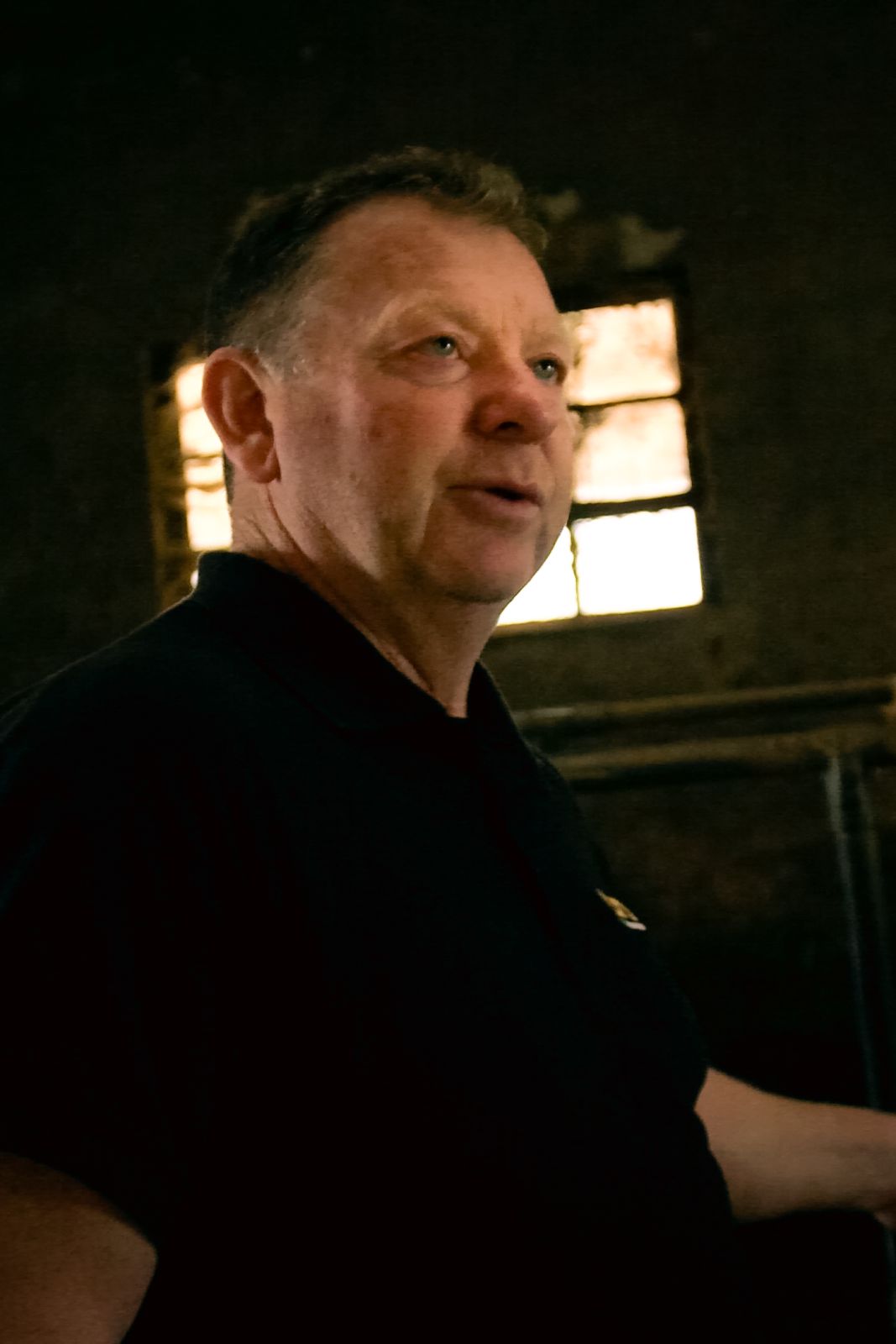
Mauro Ermacora raises cattle in San Giovanni al Natisone, in that strip of Friulian plain where the Natisone River descends from the Slovenian valleys and the landscape opens up among rows of vines, permanent meadows, and farmhouses that endure. His is a family farm that carries forward a tradition rooted in the territory, but with an awareness that has never been taken for granted: animals need space, time, and care, and that care is evident in the final product.
Mauro is the fourth generation. For him, this profession is a profound calling, something he has had in his blood since birth. He raises beef cattle, refusing the haste of large-scale operations, choosing a slower, more traditional path because quality requires time. In nature, there are no shortcuts: a pregnancy lasts nine months and growth has its sacred rhythms. In a context where industrial farming has progressively emptied the countryside of meaning and people, Ermacora Farm represents a concrete and quiet response.
The person who most influenced his approach to the profession was an old farmer named Elia, who recently passed away. He always said that the truly rich person is one who is content. He made Mauro understand that chasing quantity and wanting to increase the herd becomes a continuous spiral—ever larger land, ever more expensive equipment, ever less genuine care. From Elia, he learned to work without haste and without anxiety. “When farmers like him die, who at 97 years old would tell you about how at 13 he would take cows to the fair alone to sell them,” says Mauro, “a piece of history dies.”
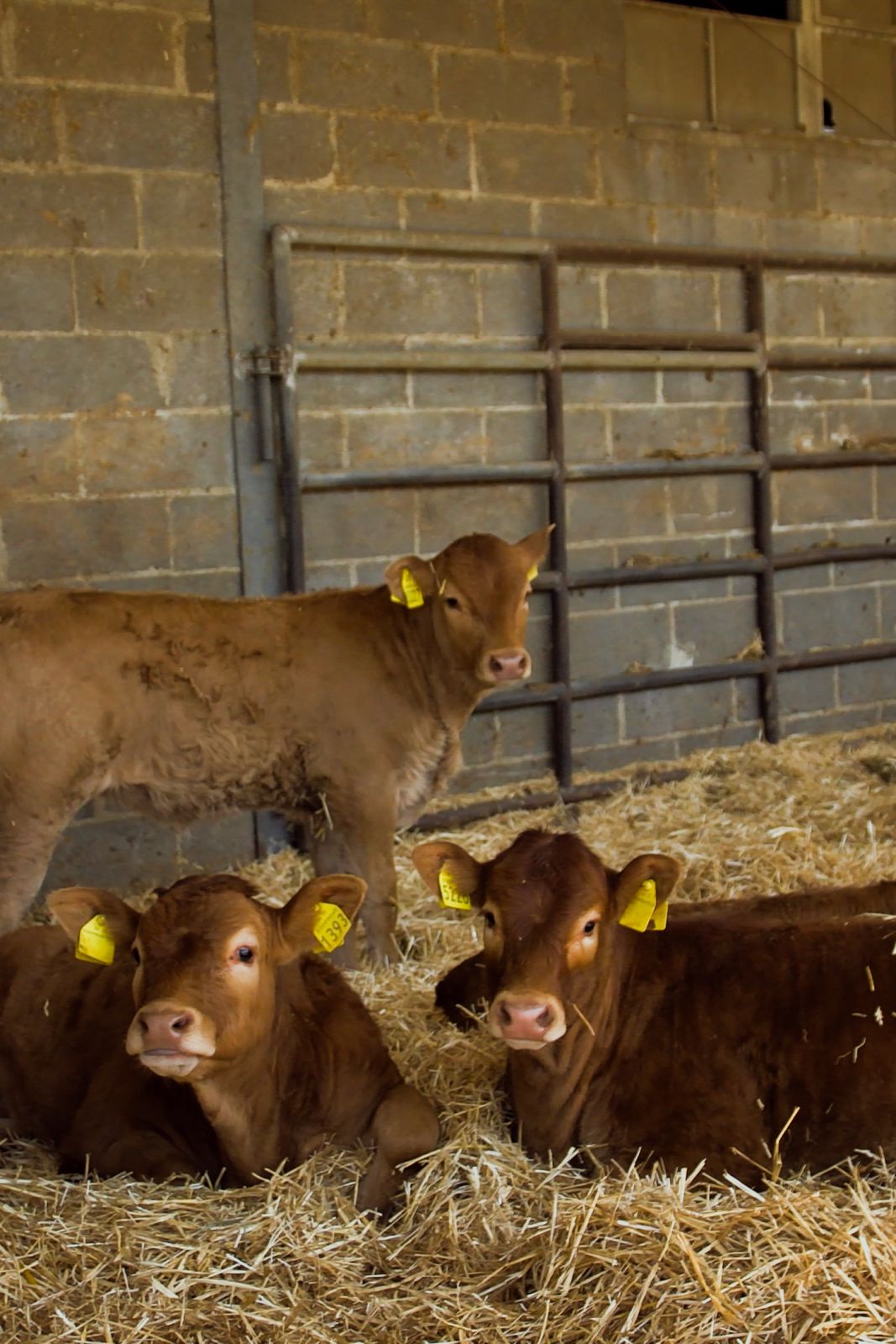
What he concretely preserves is a heritage of gestures and understandings that intensive farming is erasing: the deep bond of trust that arises only by respecting the natural rhythms of animals. Being with them, he has learned to read their body language and understand their emotional state. It is ancient, intangible knowledge: today, simply by observing his cows, he knows if they need something or how soon they will give birth. The calves remain with their mothers for all the time necessary to receive colostrum, vital for healthy growth—something that does not exist in intensive farms.
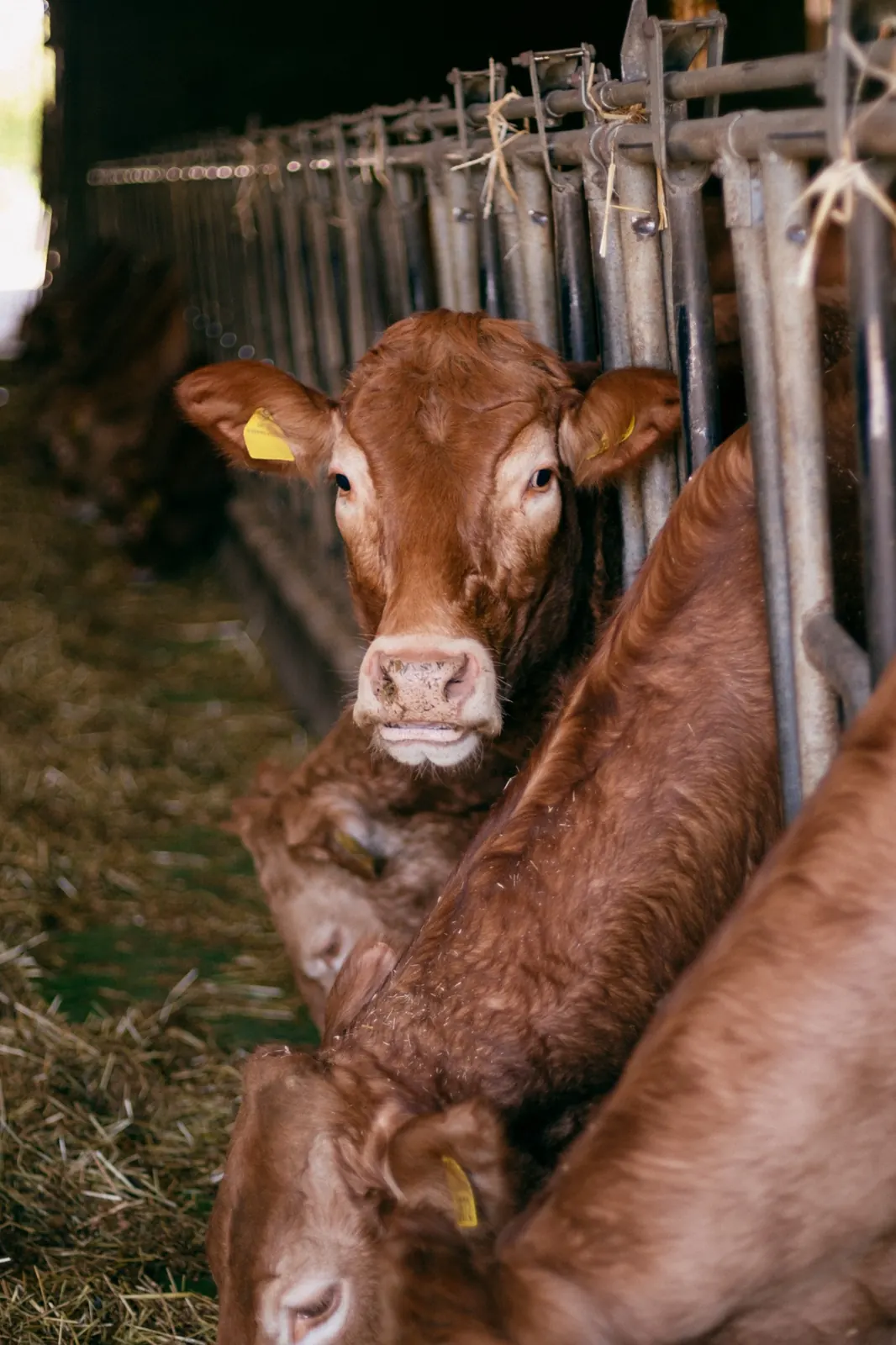
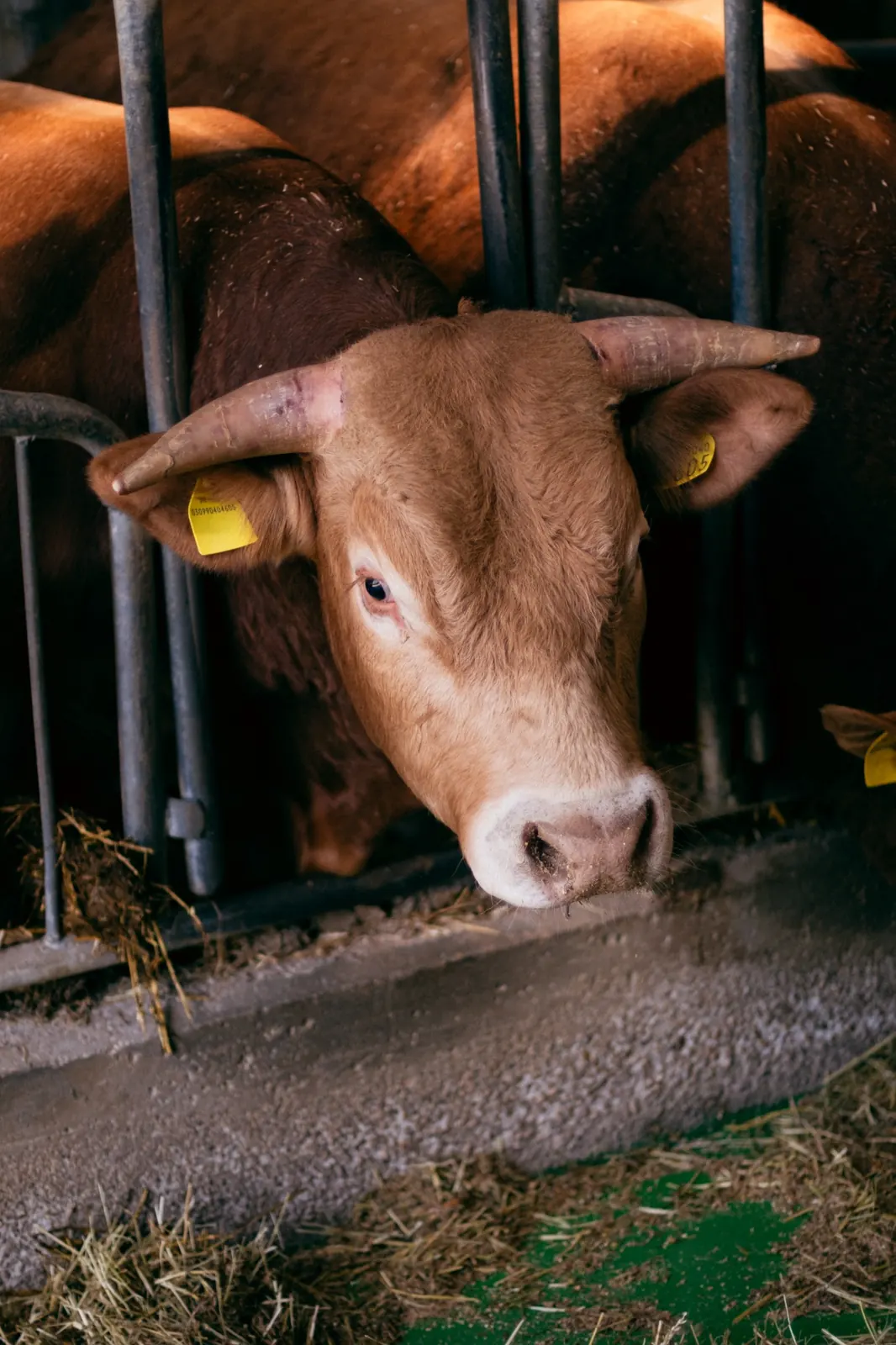
The sign that he is on the right path comes every day when he enters the barn. The animals greet him with lowing, they are calm, they approach in their pens to be petted. Each has its own intelligence, its own personality. Seeing them so serene, even with strangers, is the confirmation he was looking for. Mauro does not just sell meat: he shares a vision. In that piece of meat, there is an animal that lived well, in a specific place and season. That flavor, which is never accidental, is the result of much work, much care, and the conscious choice never to do things the easy way.