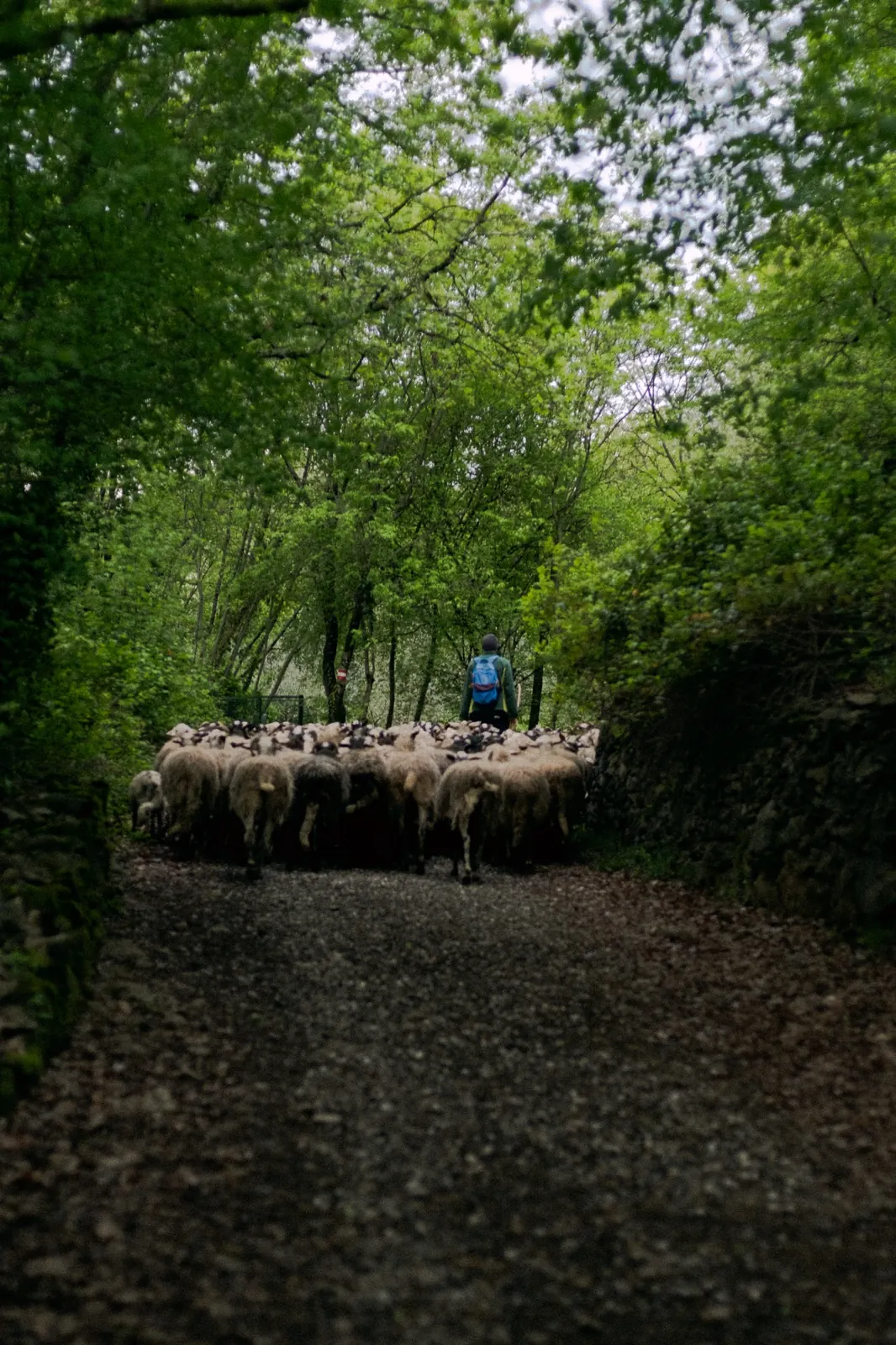
In the Trieste Karst, between limestone rock and bora wind, Andrea Štoka of Antonič Farm raises the Karst sheep—a native breed perfectly adapted to this harsh and beautiful landscape, capable of feeding where other animals would find nothing. Antonič Farm is a place that shares the same harshness and beauty of the territory that hosts it.
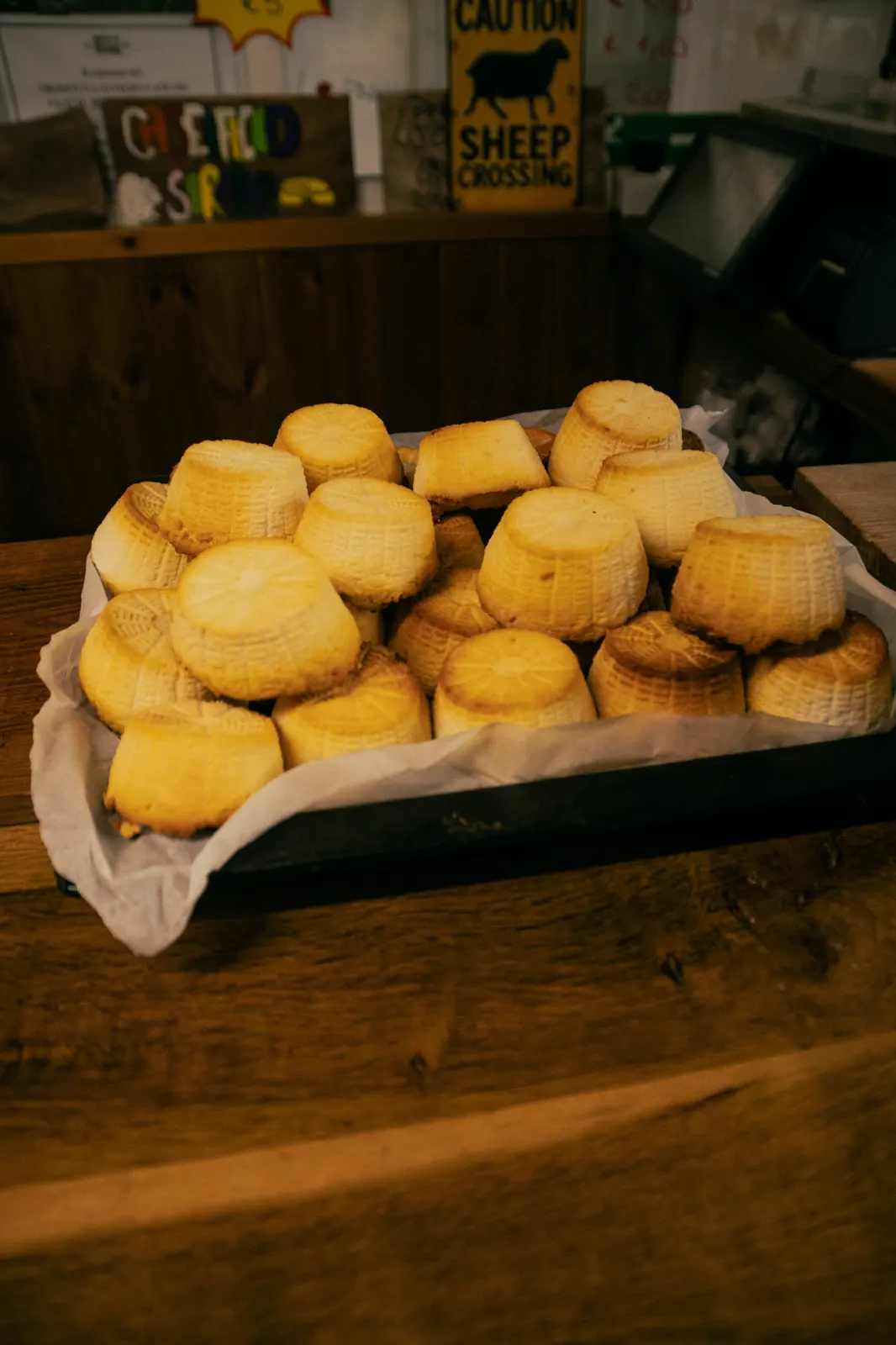
The Karst sheep is a breed that was at risk of extinction. It is not as productive as industrially selected breeds—it produces less milk, less wool, grows more slowly, and is more difficult to manage. But it is the right animal for this place: adapted to the Karst flora, it withstands the bora, and moves confidently on the rock. The milk it produces—rich, fragrant, with unique organoleptic characteristics—tells the exact story of the landscape in which it lives. The cheeses born from it carry in their flavor the grass of the Karst, the aromatic herbs that grow among the rocks, the air that comes from the sea. These are cheeses that cannot be replicated elsewhere, because they are the children of a specific place.
Andrea raises 250 head following a family tradition that rejects the business of quantity. Benjamin, who works with him, discovered this profession thanks to his grandmother, who enrolled him in summer camp right there when he was a child. He returned summer after summer, even during high school, until he realized that his path was this: to stay and become a shepherd. Today he raises animals, processes milk, and makes cheese. “It is wonderful to witness the entire cycle of life,” he says: birthing the animals, raising them, milking them, transforming the milk, and finally tasting the product made with one’s own hands.
Around Andrea work young shepherds, just like Benjamin, 22 years old, who left competitive basketball to be with the flock, and Matej, 19 years old, who describes how positive his choice to be a shepherd is thanks to the bond of trust he has created with the animals. The sheep of Antonič Farm graze outdoors, forage for food on their own, but recognize the shepherds as pack leaders and greet them every morning with a festive bleat. “Seeing independent animals that spontaneously seek contact and affection,” says Matej, “is proof of their well-being.”
The role of this farm is of extreme impact, because it safeguards both the sheep breed and the Karst landscape. The grazing sheep keep the territory clean, keeping alive a millennial identity made of respect and symbiosis. What is sold is not just food of the highest quality: it is respect. The animal is considered in the complexity of its presence in the territory, following an ancient philosophy: make no waste. Use the entire animal, including the meat, rejecting the logic of consumerism.